When the founder first stepped into classrooms, church halls, and community rooms across the Atlanta area, he saw more than individuals gathered after hours—he saw business-minded individuals with talent, ambition, and too few clear routes into stable careers or business ownership. He did not arrive with a grant or a formal curriculum; he arrived with a conviction that encouragement was not enough. Individuals in their community needed access to real business and career pathways.
That conviction became the Wisdom to BELIEVE Foundation, a nonprofit built to help youth, young adults, and emerging entrepreneurs convert potential into preparation, credentials, employment, and enterprise.

Metro Atlanta's economy continues to attract employers, talent, and investment, yet the region faces a persistent economic mobility crisis. Research from Opportunity Insights at Harvard University has ranked metro Atlanta last among the 50 largest U.S. metropolitan areas for upward economic mobility. In practical terms, a child who grows up in a low-income household in Metro Atlanta has a harder time moving up the economic ladder than peers in any other large metro area.
The United for ALICE data tell a similar story of financial pressure. In Georgia, 44% of households were below the ALICE Threshold in 2024, including 13% in poverty and 30% classified as ALICE—Asset Limited, Income Constrained, Employed. These households earn above the Federal Poverty Level but still cannot consistently afford essentials such as housing, childcare, food, transportation, health care, technology, and taxes.
These realities make Wisdom to BELIEVE's work urgent. The organization does not simply inspire participants to dream bigger; it equips them with the practical skills, employer connections, entrepreneurial guidance, and confidence needed to move from aspiration to measurable economic progress.
of the 50 largest U.S. metropolitan areas for upward economic mobility (Opportunity Insights, Harvard University)
of Georgia households were below the ALICE Threshold in 2024
of Georgia households in poverty
classified as ALICE — Asset Limited, Income Constrained, Employed
The work began in church classrooms and community rooms across the Atlanta area, where our founder spent evenings talking with teens who felt invisible in school and uncertain about their future. He listened to parents who wanted more for their children but did not know where to start, skilled workers who wanted to build businesses but lacked start-up resources, and pastors who saw potential in their communities but lacked the tools to develop it.
These conversations shaped our philosophy:
Empowerment begins with belief. Opportunity begins with access.
In 2013, Wisdom to BELIEVE was founded as a nonprofit organization that equips participants with business skills, education, life skills, inspiration, hands-on experience, vocational preparation, and employment pathways. Its goal is clear: help members create entrepreneurial opportunities or enter the workforce with confidence, purpose, and a practical plan.
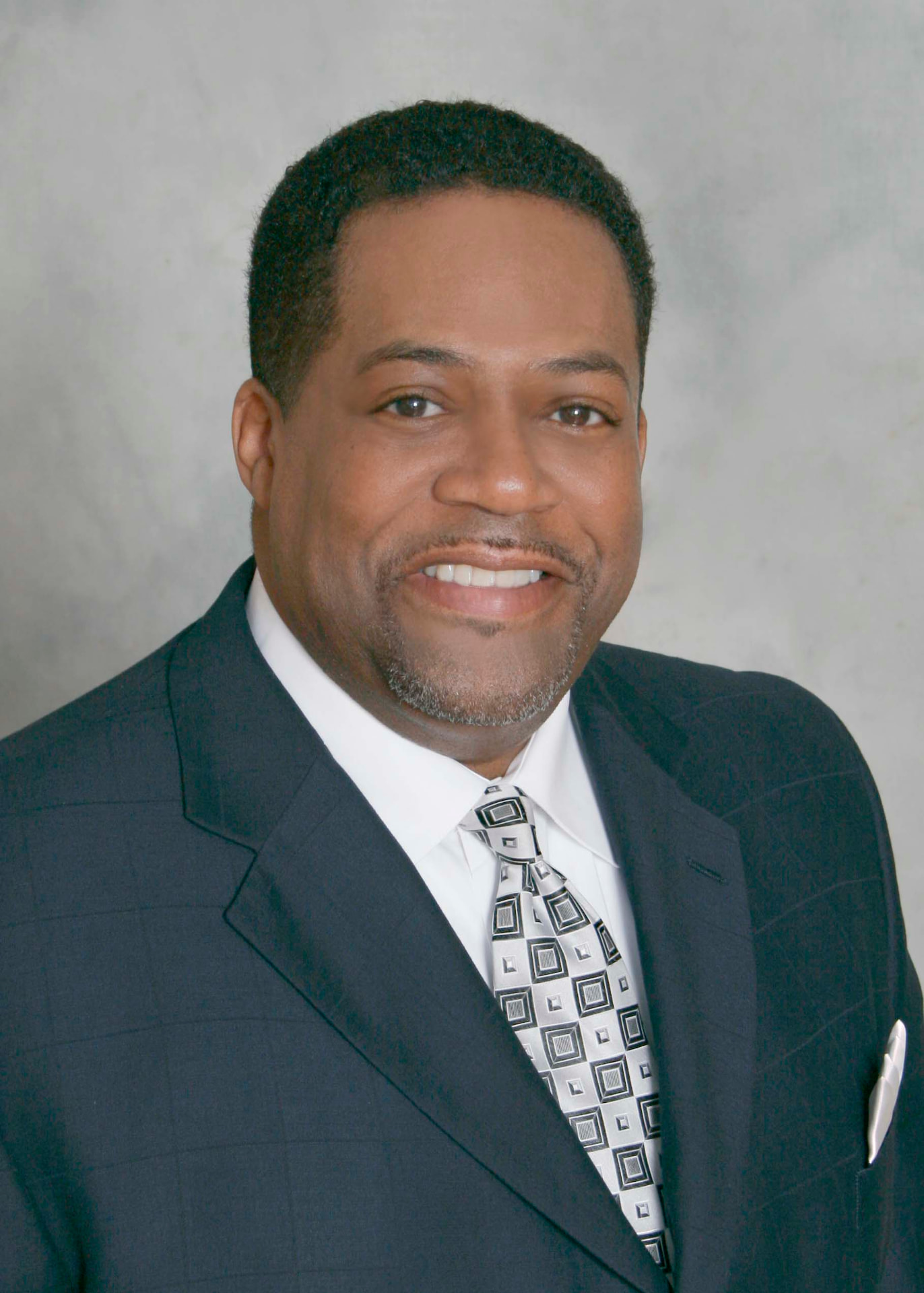
Founder & Executive Director
Business skills, education, life skills, inspiration, hands-on experience, vocational preparation, and employment pathways.
A bridge from potential to opportunity
As Wisdom to BELIEVE grew, Monty brought that community-centered philosophy into the professional arena of workforce development and business focused entrepreneurship. The organization collaborates with nonprofits, schools, community organizations, churches, entrepreneurs, workforce partners, and employers seeking prepared, diverse talent. Its programs are known for being structured, practical, and transformational because they combine personal belief with concrete preparation and support.
Through this model, participants gain exposure to career options, develop employability and leadership skills, build business readiness, connect with mentors and employer partners, and prepare for pathways that can lead to credentials, quality jobs, apprenticeships, or entrepreneurship. The work is designed to close the gap between untapped potential and the access required to turn that potential into economic mobility.
“Wisdom to Believe became a bridge — connecting untapped talent to real opportunity.”
Recipient of the Workforce Excellence Award, recognizing apprenticeship program excellence
Graduation rate among program members
Program completion rate
Approximate average salary among reported cohort outcomes
“Now is the time to expand and scale a proven pathway to meet growing demand.”